

Commerce Readiness
Direct Offers and Universal Commerce Protocol Readiness After GML 2026
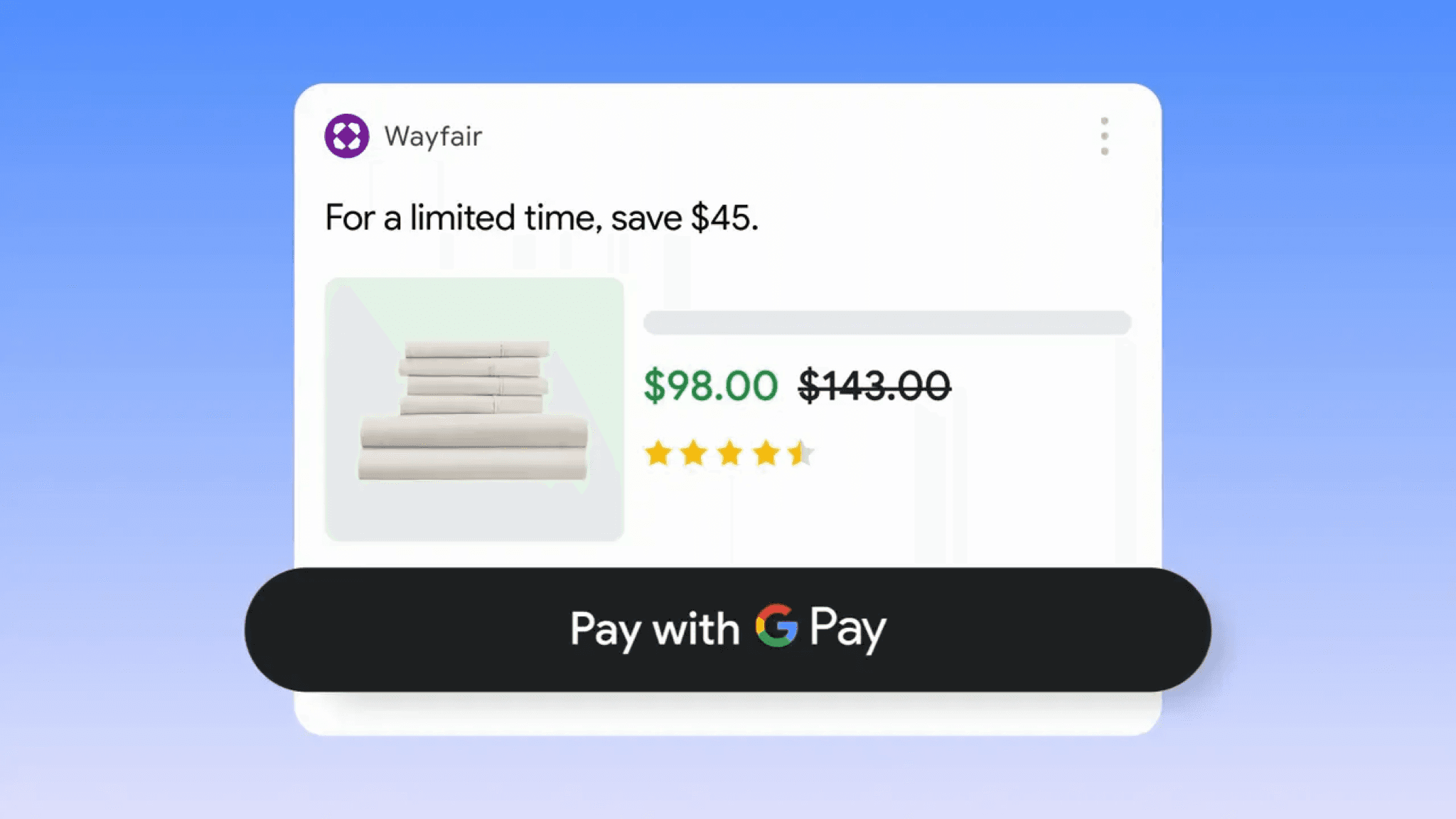
Official Direct Offers image from Google's public Google Marketing Live 2026 recap.
Direct Offers and UCP only work when Product feeds, Promotions, checkout links, and Google Pay ownership are strong enough for a commerce test.
Key takeaway
Direct Offers and Universal Commerce Protocol readiness after Google Marketing Live 2026 should be treated as an ecommerce operations review, not a universal setup guide.
Google described UCP-powered features around Universal Cart, Google Pay checkout paths, selected checkout features soon, Direct Offers, Shopping ads on YouTube with Product feeds in Demand Gen campaigns, and rollout plans across Canada, Australia, and later U.K. contexts.
Before launch, ecommerce teams should review Merchant Center product data, Product feeds, Promotions, checkout links, Google Pay ownership, merchant-of-record responsibilities, margin rules, support handoffs, attribution, and conversion measurement.
Direct Offers and UCP-powered checkout should be evaluated through the systems that decide whether the shopper sees the right product, the right offer, the right checkout path, and the right post-purchase support.
- Availability details were treated as a constraint until Google documentation and the account confirmed access.
- Merchant Center product data, Promotions, checkout links, Google Pay ownership, and merchant-of-record responsibilities were reviewed together.
- Any commerce test was tied to revenue quality, margin, refund risk, customer support, and conversion measurement before budget expanded.
Google's commerce announcements connect Direct Offers, Universal Commerce Protocol, Universal Cart, Google Pay, Merchant Center, Product feeds, and checkout paths into one readiness problem for ecommerce teams.
Google's Shopping update says UCP-powered features are coming to Google and describes Universal Cart as a shopping cart across retailers and services such as Search and Gemini. The same post says shoppers can check out with Google Pay in a few taps with many favorite brands or transfer items to the merchant site to complete purchase.
Google also says select checkout features are coming soon across named retailers and Shopify merchants, and that the retailer always remains the merchant of record. That wording should shape every advertiser briefing. UCP is not a generic switch every advertiser can flip; it is a commerce surface where product data, checkout ownership, payment paths, support, and measurement all matter.
Google's timing words are a guardrail, not a launch signal.
Google documentation·The Keyword
UCP and Shopping updates
Google's Shopping post is the baseline for Universal Commerce Protocol, Universal Cart, Google Pay checkout paths, Merchant Center AI tools, and rollout geography.
Open Shopping postDirect Offers is no longer only an AI Mode offer pilot question. After GML 2026, it also touches native checkout for UCP merchants and promotion quality.
Google's Search ads post says Direct Offers is expanding with more offer types, promotion bundling, native checkout integration for Universal Commerce Protocol merchants, and travel expansion. It also says those updates are coming soon and that Direct Offers will surface in AI Mode responses as shoppers explore options.
That does not make Direct Offers a mature scale channel or a universal checkout capability. The practical question is narrower: which products, promotions, checkout paths, and support rules are strong enough that a high-intent offer can move closer to purchase without creating margin, fulfillment, or measurement problems.
Offer expansion is a product-data question before it is a media question.
Google documentation·Google Ads and Commerce Blog
Direct Offers expansion
Google's Search ads post is the baseline for Direct Offers pilot expansion, promotion bundling, native checkout for UCP merchants, and travel expansion language.
Open Search postStart with the inputs that decide whether an offer can be trusted before the team asks whether the surface is available.
| Area | What to review | Why it matters |
|---|---|---|
| Merchant Center and Product feeds | Titles, descriptions, images, variants, price, availability, disapprovals, destination eligibility, and feed ownership. | AI-powered Shopping ads, Direct Offers, and checkout paths depend on product data being accurate enough for Google to match shoppers to the right item. |
| Promotions | Promotion types, eligible products, guardrails, coupon logic, margin thresholds, and local or online distinctions. | Promotion bundling is only useful when the underlying offer rules are clear and commercially safe. |
| Checkout links | Product-level checkout link templates, cart behavior, redirects, landing-page fallbacks, and destination settings for ads or free listings. | A shorter path to checkout can help only if the cart or checkout page reliably opens with the right item ready for purchase. |
| Google Pay | Payment-owner signoff, merchant identifier ownership, payment gateway or tokenization setup, dynamic price updates, and production-access readiness. | Google Pay references in the GML announcement should trigger payment and ecommerce review, not an assumption that paid media controls checkout. |
| Merchant of record and support | Refunds, cancellation rules, support routing, tax, fulfillment, inventory promises, and customer-service escalation paths. | Google's Shopping post says the retailer remains the merchant of record, so the business still owns the customer and operational consequences. |
| Measurement and margin | Conversion actions, revenue values, attribution, refund adjustments, order quality, AOV, contribution margin, and post-purchase signals. | The team needs to know whether faster checkout or stronger offers create profitable orders, not just more reported conversions. |
Open Merchant Center product diagnostics
- Use soon for selected checkout features and coming soon for the Direct Offers expansion items Google names.
- Use coming months for UCP-powered checkout in Canada and Australia, and later U.K. for the next geography.
- Describe native checkout as available for Universal Commerce Protocol merchants, not all merchants.
- Keep hotel booking and local food delivery in partner or category expansion context, not ordinary ecommerce checkout setup.
- Say the retailer remains merchant of record; do not imply Parallel, Google Ads, or an agency becomes responsible for checkout, fulfillment, refunds, or support.
Direct Offers, Universal Commerce Protocol, Universal Cart, Google Pay, Product feeds, Promotions, and checkout links sit across paid media, merchandising, ecommerce, analytics, and support owners. The review only works when those inputs land in one finished record.
Parallel AI reads Merchant Center, Product feed, Promotions, checkout, and conversion context from the connected account, writes the commerce readiness review in a doc or spreadsheet, and drafts any campaign or feed change for a person to approve before it ships.
The existing Direct Offers guide is still the better fit when the decision is whether the AI Mode offer pilot deserves a guarded test. The Demand Gen accelerated-checkout guide is still the better fit when the question is whether a Demand Gen checkout path is commercially ready.
This GML 2026 commerce guide is the broader option when the question spans Direct Offers, Universal Commerce Protocol, Universal Cart, Google Pay, Merchant Center, Product feeds, Promotions, checkout links, merchant-of-record implications, rollout geography, and cross-functional ownership.
Pick the guide that matches the decision on the table.
Google documentation
Google's Shopping post on Universal Commerce Protocol features, Universal Cart, Google Pay checkout paths, selected checkout features, rollout geography, Merchant Center AI tools, and merchant-of-record language.
Google Ads and Commerce post on AI Mode ad tests, AI-powered Shopping ads, Direct Offers expansion, promotion bundling, native checkout for UCP merchants, and travel expansion.
Google's official public recap for Google Marketing Live 2026 announcement themes, including commerce, Universal Commerce Protocol, Direct Offers, and Merchant Center items.
Google Merchant Center reference for product data attributes, price, availability, identifiers, destinations, shipping, landing page requirements, checkout requirements, and feed formatting.
Google Merchant Center reference for Promotions benefits, eligibility, status, creation, promotion criteria, policies, and automated promotions data sources.
Google Merchant Center reference for the checkout link template attribute used to include a checkout URL in product data.
Google Pay developer reference for request objects, merchant info, payment methods, tokenization, transaction details, and production environment configuration.
- Blog homeBrowse every published Google Ads guide from one editorial index.
- Google Ads AI agent: complete guideThe pillar guide covers the category definition, the adoption model, and where the agent fits real Google Ads work.
- ResourcesMove between the definition page, pricing, product walkthrough, and trust pages.
- About Parallel AISee the company mission, editorial standards, and operating principles behind the product.
- SecurityReview the public data-handling, account-connectivity, and approval-control framing used throughout the published guides.
- Author profileSee the background, specialties, and editorial responsibilities behind the published guides.
- Editorial reviewReview how pricing, trust, and capability claims are checked before public content ships.
- Direct Offers in AI Mode: Retail Pilot Readiness for Google AdsFor ecommerce teams testing Direct Offers when economics and feeds must keep the public promise.
- Accelerated Checkout for Demand Gen: Ecommerce Review GuideHelpful when accelerated checkout is available but the ecommerce team still needs a practical scale or hold review.
- Google Ads AI Agent for Ecommerce: Search Terms, Shopping, and PMax ReviewFor when Search, Shopping, Merchant Center, and Performance Max need one ecommerce review instead of separate meetings.
- Merchant Center Predictive Insights: Review Guide for EcommerceFor merchandising and paid media teams where predictive flags need corroboration before budget or feed changes.
- Demand Gen and YouTube After GML 2026: Creative, Commerce, MeasurementAsset Studio outputs, Merchant Center diagnostics, and Campaign Type Attribution need a shared review before Demand Gen spend expands after GML 2026.
- Google Search Ads After GML 2026: AI Mode, Offers, and Lead QualitySearch terms, conversion actions, and documented reporting need a baseline before AI Mode or AI Max changes move budget.
- Browse the GML 2026 resource hubBrowse the Google Marketing Live 2026 resource hub for the related Search, AI Max, Shopping, Demand Gen, bidding, data, and measurement guides.